Sunnyvale tree service covers the pruning, removal and stump grinding that residential trees need across this South Bay city, from mid-century tracts to the older blocks near downtown. It’s for Sunnyvale homeowners with trees crowding their roofs, lifting their driveways or showing signs of decline, and for anyone wondering whether a large tree is protected under City rules. We prune for health and clearance, take down trees that need to go, help you check permit requirements and clear stumps from the ground. You end up with a safer, better-kept yard and trees sized for it.
How We Help Sunnyvale Homeowners
Three services account for most of what we do in Sunnyvale. Click through for the specifics of each:
- Tree trimming: structural pruning, crown thinning and roof and driveway clearance for shade trees, plus seasonal pruning for fruit trees.
- Tree removal: taking down dead, declining or unsuitable trees, including guidance on Sunnyvale’s protected-tree permits.
- Stump grinding: grinding stumps below grade so you can replant, landscape or build.
We also take on fruit tree care, cabling and bracing, storm cleanup, disease diagnosis and pruning, and clearing of overgrown side yards. Many jobs combine two or three of these, such as removing a failing pine, pruning the tree next to it and grinding the stump.
Protected Trees in Sunnyvale
Before planning a removal, it is worth knowing whether your tree is protected. Sunnyvale uses size to decide, measured at 4½ feet above the ground:
- Single-trunk trees with a circumference of 38 inches or more are protected.
- Multi-trunk trees are protected if any one trunk reaches 38 inches, or if all trunks together total 113 inches or more.
Removing a protected tree requires a permit from the City. Pruning that would seriously harm a protected tree can also raise questions, so heavy cuts should be planned carefully. We can measure your tree during the quote visit and explain what applies. Separate rules cover street trees, which belong to the City and generally need a City permit for any work.
Sunnyvale’s Neighborhoods and Their Trees
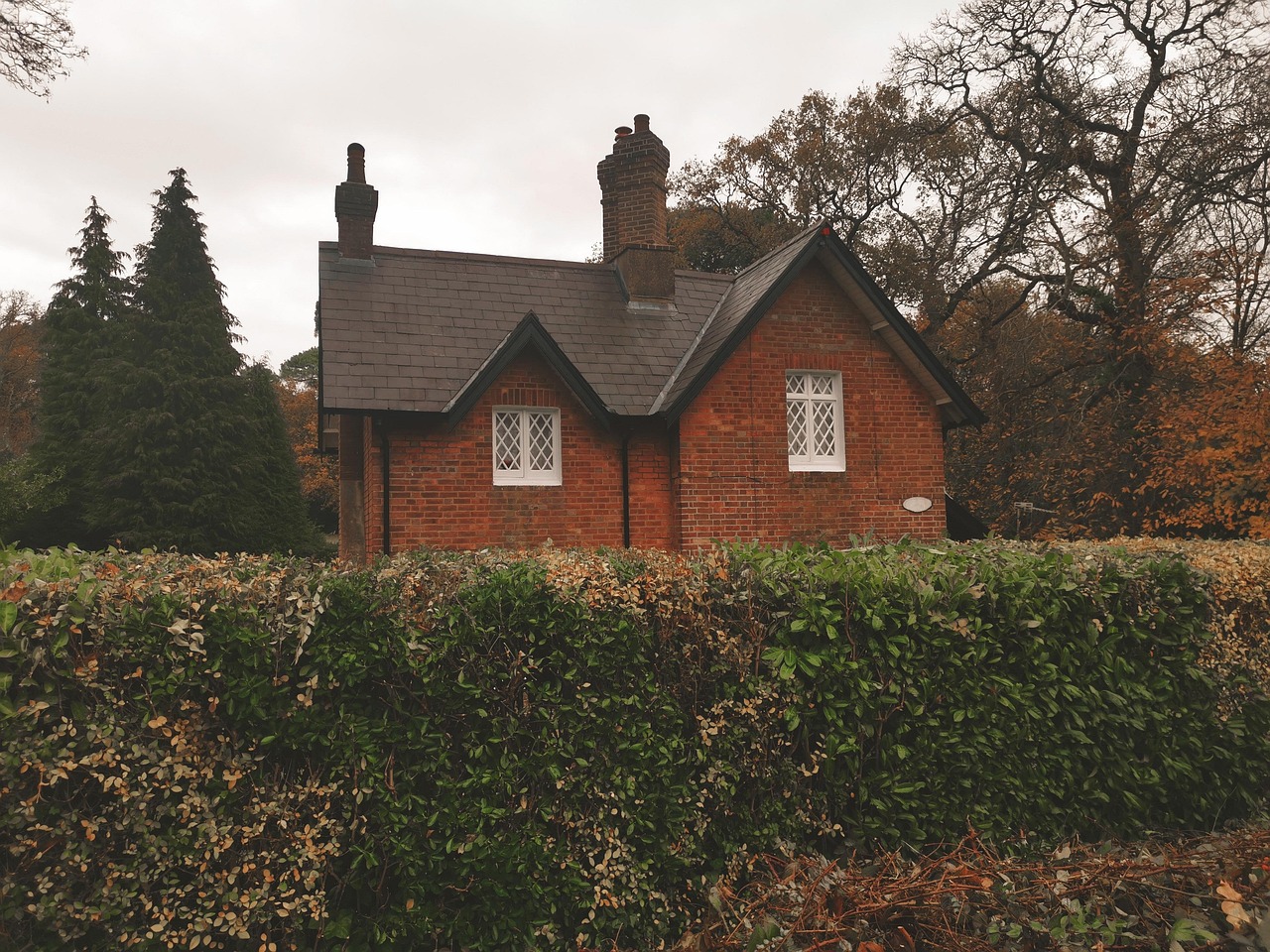
Much of Sunnyvale was built in the decades after World War II, when the city’s orchards gave way to housing. Many homes are single-story ranch houses and Eichler-style homes with low roofs and walls of glass facing the yard. Lots are moderate in size, with trees planted close to the house, fences and driveways.
That history shows up in the trees:
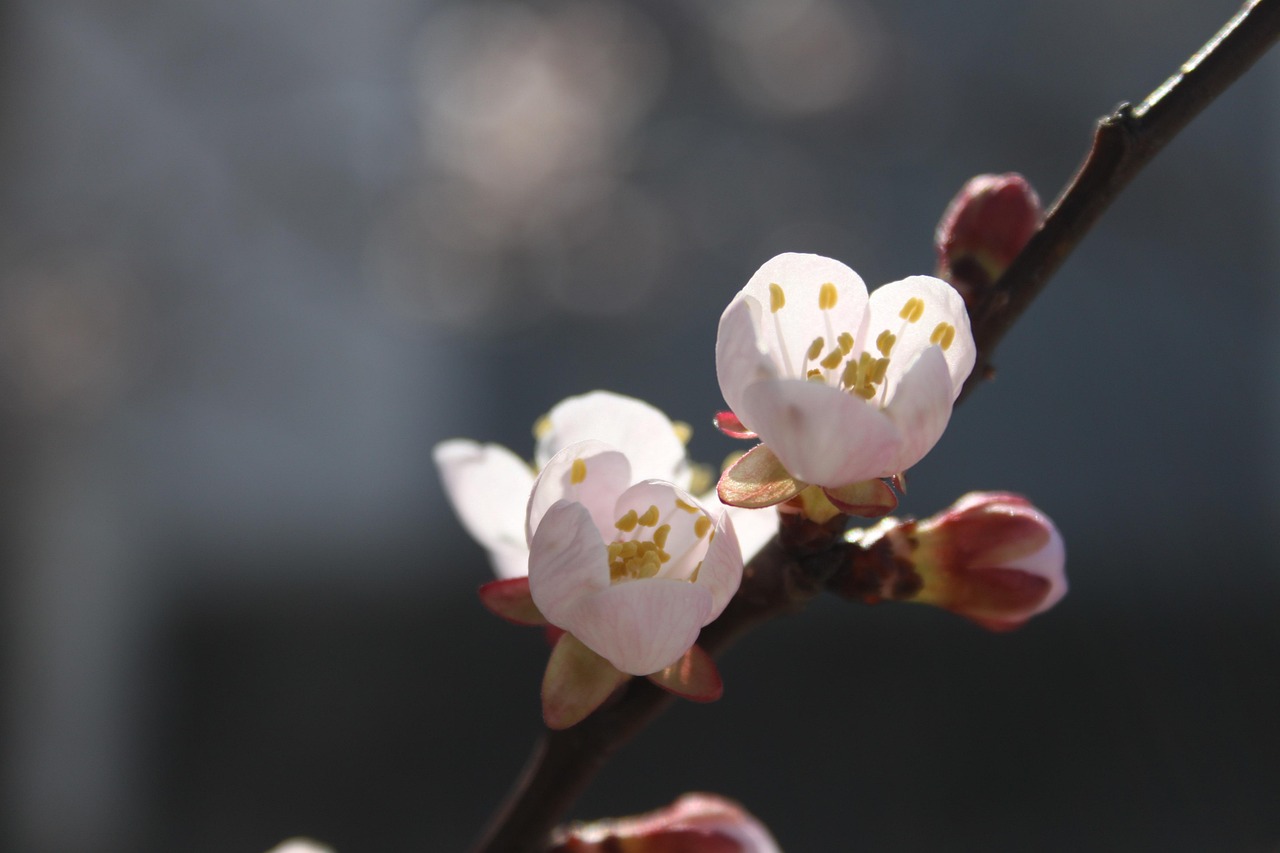
- Fruit trees remain common in backyards, a reminder of the valley’s orchard past.
- Sweetgum and London plane trees planted along streets and in yards have grown large, with roots that lift pavement.
- Redwoods, pines and other conifers planted decades ago now tower over small lots.
- Ash, olive, magnolia and Chinese pistache fill many front yards.
In neighborhoods like Cherry Chase, Lakewood Village and the blocks around Ortega Park and Las Palmas Park, trees that were saplings when the homes were new are now mature, and many need regular pruning to stay in scale.
How the South Bay Climate Affects Trees
Sunnyvale has a mild climate with dry summers and most rain falling from late fall through early spring. That pattern shapes tree care:
- Dry summers stress trees that depend on irrigation, especially redwoods and other thirsty species planted in sunny spots.
- Winter storms, sometimes arriving in a series, saturate soils and can topple shallow-rooted trees or bring down heavy limbs.
- Mild temperatures let many trees grow most of the year, so canopies thicken quickly without pruning.
- Drought periods leave lasting damage, and trees weakened by dry years are more vulnerable to pests.
Deep, infrequent watering, mulch and pruning to remove dead wood and reduce weight all help trees cope.
Water-conscious landscaping adds another twist. Many homeowners have replaced lawns with drought-tolerant plantings, which is good for the water bill but can leave established trees that relied on lawn sprinklers suddenly short of water. If you have converted a lawn, make sure the trees in it still get a deep soak during the dry months.
Common Tree Problems We See
- Redwoods with thinning or browning crowns after dry years or in hot, exposed spots.
- Pines in decline from drought and bark beetles, which can become a hazard quickly.
- Sweetgum roots cracking driveways, sidewalks and patios.
- Overgrown fruit trees that have become too tall to harvest and drop limbs under heavy crops.
- Limbs over low Eichler roofs, leaving debris on flat roofs and in gutters.
From First Call to Final Cleanup
- Contact us by phone or the form and describe the tree and your concern.
- Free quote visit, where we look at the tree, measure it if protection is in question and check access.
- Written quote covering the work, cleanup and any permit steps.
- The work, carried out in a planned order with heavy limbs lowered by rope over roofs and fences.
- Cleanup, with brush chipped, wood hauled and the yard raked and blown.
Choosing a Tree Service in Sunnyvale
A few questions make it easier to compare companies:
- Do they know the City’s protected-tree rules? They should ask about the trunk size before quoting a removal.
- How will they prune? Look for crews that explain their cuts and avoid topping.
- What does the quote include? Cleanup, haul-away and stump grinding should be spelled out.
- How will they protect your home? Low roofs, glass walls and garden beds need a plan.
- Can they show insurance? It is reasonable to ask any company for proof of coverage before work begins.
Areas We Serve
We work throughout Sunnyvale, including Cherry Chase, Lakewood Village and the Heritage District near Murphy Avenue, as well as nearby Mountain View, Santa Clara, Cupertino, Los Altos and west San Jose. If you’re nearby and not sure we reach your street, give us a call and ask.
Every property starts the same way, with a visit to look at the trees in person. From there we can tell you what we would recommend, what the City might require and what the work would involve, before you commit to anything.